Introduction
The DH88 Comet crash remains a significant moment in aviation history. As one of the most technologically advanced racing aircraft of the 1930s, the de Havilland DH88 Comet represented the pinnacle of British aerospace engineering. Designed specifically to win the prestigious MacRobertson Air Race from England to Australia in 1934, these aircraft pushed the boundaries of speed, range, and endurance. While the most famous model, ‘Grosvenor House,’ achieved legendary status, the history of the DH88 Comet program includes several incidents and operational challenges that provide a unique window into the early development of high-performance monoplanes. In this article, we examine the technical specifications, the history surrounding these aircraft, and the lessons learned from their operational service.
What Happened
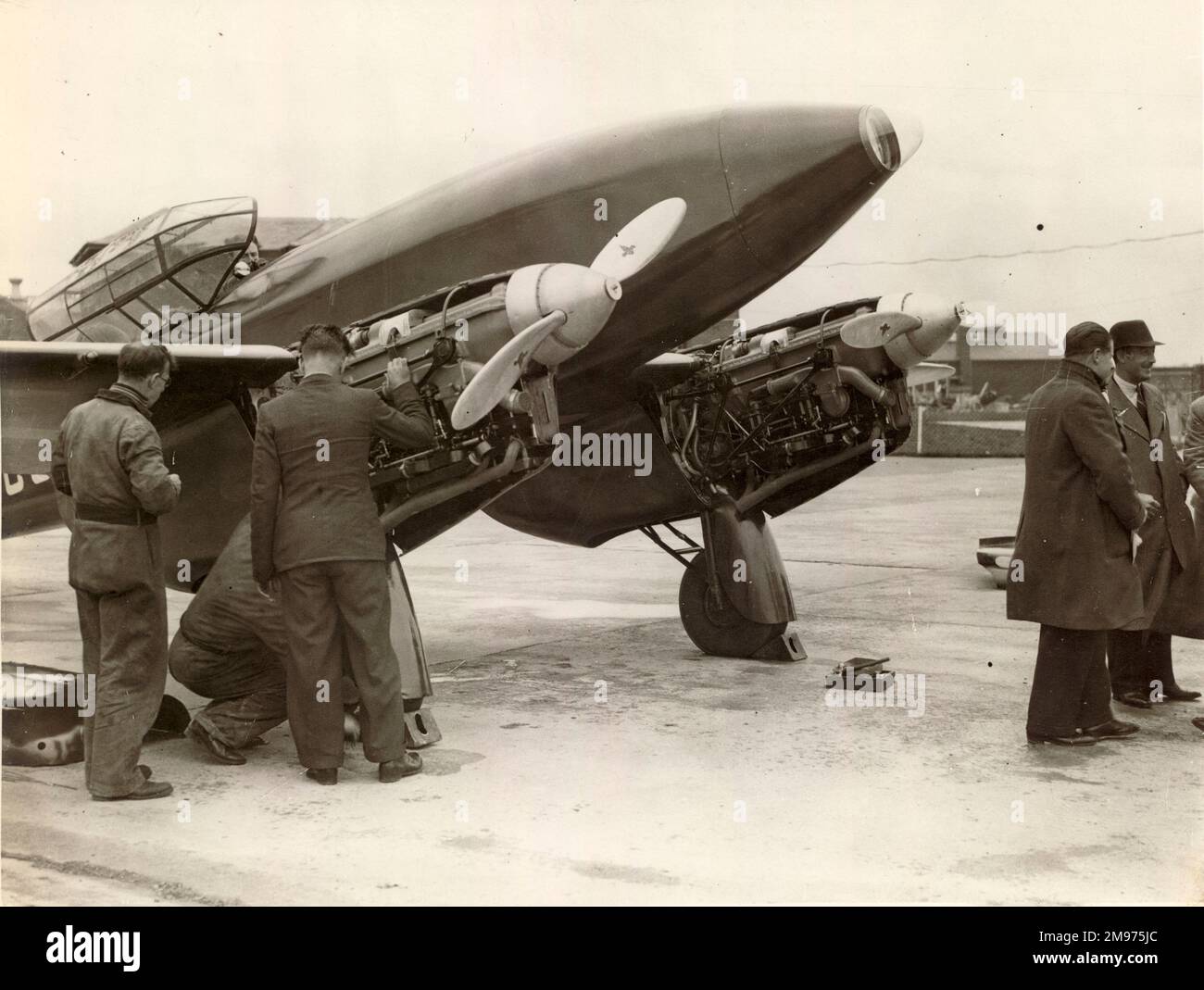
The DH88 Comet was a two-seat, twin-engine racing aircraft built by the de Havilland Aircraft Company. It was revolutionary for its time, featuring a stressed-skin plywood construction and retractable undercarriage. The primary objective was to demonstrate the feasibility of long-range air travel. During its service, the fleet faced numerous operational difficulties. The aircraft’s performance was tied to its lightweight design, which left little room for error. Several incidents occurred during ferry flights and training exercises, often attributed to the complex retractable landing gear and the delicate nature of the wooden airframe. These events underscore the high risks taken by aviators during the golden age of flight, where trial and error were often the only ways to advance technology.
What’s Happening Now/Next
Today, interest in the DH88 Comet remains high among aviation historians and enthusiasts. Restoration projects and museum exhibitions ensure that the history of the DH88 Comet crash and its successful counterparts are never forgotten. Recent digital archiving efforts have surfaced lost flight logs and engineering reports, providing a clearer picture of the mechanical stressors faced by the aircraft. As we look toward the future of sustainable aviation, the innovation demonstrated by de Havilland in the 1930s serves as an inspiration for modern aerodynamic design.
What This Means For You
Understanding the history of the DH88 Comet provides context for how far aviation safety has progressed. For aviation enthusiasts and historians, these narratives are essential for preserving the technical heritage of the interwar period. By analyzing past failures, engineers and pilots gained invaluable insights into handling high-speed, long-range aircraft. These lessons helped pave the way for the robust safety protocols that define modern commercial aviation today.
What You Can Do Now
If you are interested in learning more about the history of the DH88 Comet, consider visiting aviation museums that house collections from the 1930s. Many institutions provide detailed documentation on the technical challenges faced by the aircraft. Engaging with historical aviation societies can also provide deeper insights into the pilots who flew these record-breaking machines and the engineering teams that made their journeys possible.
Closing
The legacy of the DH88 Comet is defined by its ambition and engineering ingenuity. While incidents involving the aircraft served as sobering reminders of the perils of early aviation, they ultimately contributed to the development of safer, more efficient flight technology. We continue to look back at the DH88 Comet as a symbol of human perseverance. Please check back for updates as new historical documents regarding this era are uncovered.