Explorer Pipeline Fire Today: Emergency Crews Respond to Petroleum Line Blaze as Emergency Shutoff Triggers
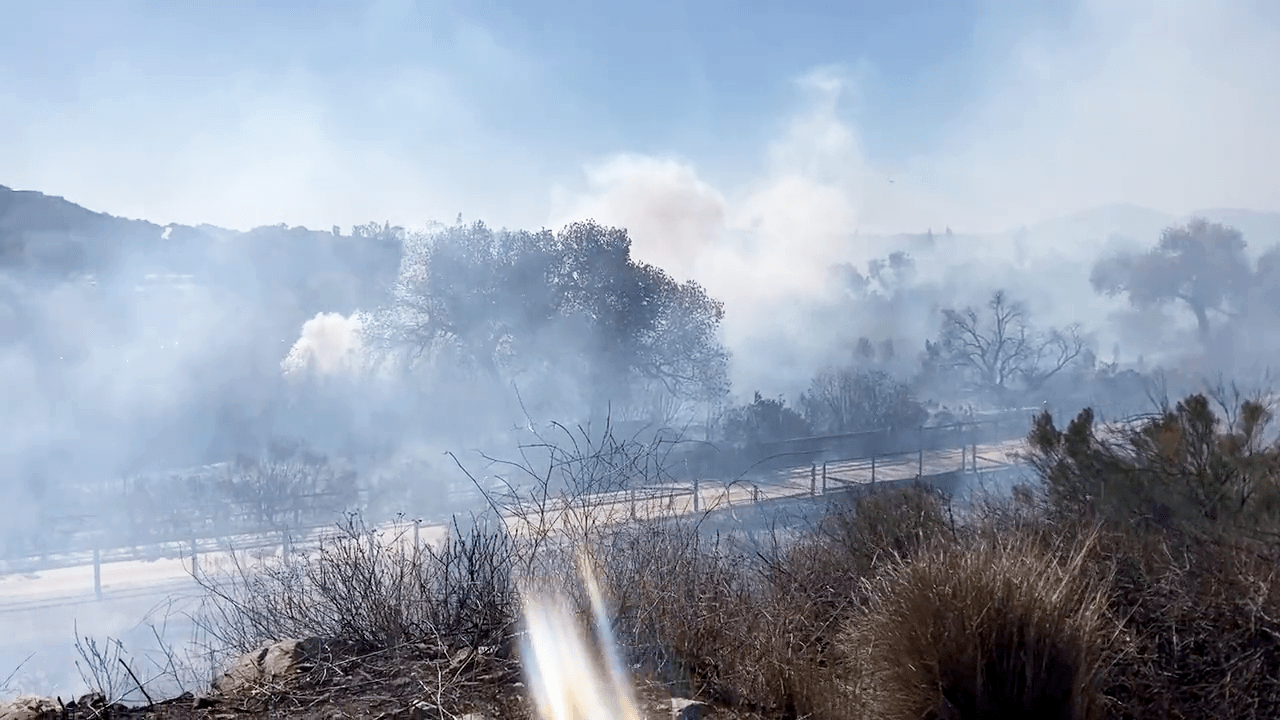
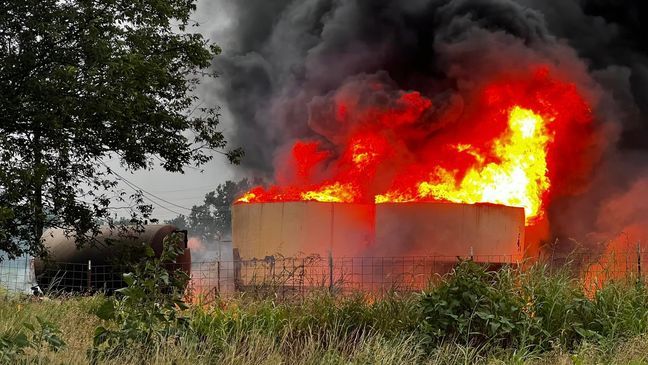
Emergency responders and hazard mitigation teams were dispatched today following reports of an explorer pipeline fire along a segment of the energy transportation corridor. Local public safety authorities, alongside specialized hazardous material units and company technicians, immediately initiated emergency shutoff protocols to isolate the affected section of the pipeline network and prevent further escalation of the blaze.
The incident triggered immediate response protocols across local emergency services, with firefighting crews establishing a multi-agency perimeter around the impacted zone. The Explorer Pipeline system, which spans over 1,800 miles across the central United States transporting refined petroleum products such as gasoline, diesel, and jet fuel, relies on automated pressure sensors and safety valves designed to isolate line breaches rapidly during unexpected integrity failures or ignitions.
As specialized containment personnel work to extinguish remaining flame points and monitor atmospheric conditions, federal regulatory authorities, including the Pipeline and Hazardous Materials Safety Administration (PHMSA), have been notified to monitor the situation and begin preliminary oversight procedures regarding the explorer pipeline fire.
What Happened in the Explorer Pipeline Incident?
Initial report signals indicate that local dispatch centers received urgent emergency calls reporting visible smoke, intense heat signatures, and localized flames near a dedicated pipeline right-of-way corridor. Upon arrival, first responders confirmed an active structural and product fire involving refined liquid hydrocarbon inventory present in the localized segment of the pipeline network.
Emergency protocols were instantly implemented by pipeline control center operators, who utilized remote telemetry systems to close automated shutoff valves upstream and downstream of the affected segment. Isolating the pipe section starves the flame of continuous fuel pressure, allowing ground crews to implement controlled suppression strategies while preventing liquid product from migrating into surrounding drainage pathways or sensitive ecosystems.
Air monitoring teams equipped with photoionization detectors and specialized gas monitoring equipment were deployed around the perimeter to continuously measure volatile organic compound levels, particulate matter, and combustible gas concentrations to guarantee the ongoing safety of nearby residents and response personnel.
Latest Updates and Timeline
The timeline of events highlights the rapid coordination required during industrial energy infrastructure emergencies. Early notifications alerted regional dispatch centers, triggering an immediate level-two hazardous materials response protocol involving local fire departments, county emergency management agencies, and state environmental protection officers.
Within minutes of detection, remote control operators completed line isolation sequences, isolating the specific block valves nearest to the incident site. Emergency services established an operational staging zone and secured traffic intersections surrounding the emergency area to allow uninterrupted access for heavy foam tenders, water tankers, and technical response units.
Throughout the day, firefighters maintained defensive position containment tactics, applying specialized aqueous film-forming foam and heavy water streams to cool adjacent structural infrastructure while monitoring the burnout rate of isolated residual fuels inside the isolated pipe segment.
What Officials Are Saying
Public safety officials released statements confirming that coordinated containment measures remain actively engaged at the scene of the explorer pipeline fire. Incident commanders emphasized that public safety remains the top operational priority, with ongoing multi-agency cooperation guiding ground actions and precautionary safety perimeters.
Representatives from state environmental protection agencies stated that technical teams are actively assessing soil conditions and surface drainage networks to ensure secondary containment measures effectively collect liquid runoff and prevent fuel off-site migration. Federal safety regulators from PHMSA confirmed their awareness of the emergency and stated that investigative personnel will review telemetry data, maintenance records, and valve operational histories once the incident site is declared fully stabilized.
Injuries, Deaths and Damage
Preliminary reports from site commanders indicate no fatal injuries among emergency personnel or members of the general public at this stage of the response. Medical teams stationed at the perimeter command post reported no life-threatening transportations, though emergency medical services remain on standby as a standard safety protocol during active industrial suppression efforts.
Structural damage assessments remain preliminary as emergency crews maintain a secure safety boundary around the thermal zone. Property impacts appear limited primarily to the immediate pipeline right-of-way right and contiguous easement terrain. Rigorous structural assessments of neighboring utility lines and infrastructure will be performed once residual heat dissipates completely and site safety engineers clear the ground for physical inspection.
What We Know So Far
- Emergency Response Initiated: Multiple fire departments and emergency management personnel responded promptly to reports of an active explorer pipeline fire.
- Automated Isolation Executed: Control center operators activated remote shutoff valves to isolate the involved pipeline segment and restrict fuel flow.
- Air and Environmental Monitoring Active: Hazardous material teams are continuously testing ambient air quality and testing for volatile compound exposures in nearby areas.
- Safety Perimeter Established: Local law enforcement secured surrounding roadways and established precautionary containment boundaries around the active incident site.
- Regulatory Notification Completed: Federal oversight agencies, including PHMSA, have been alerted and are monitoring emergency management and site stabilization operations.
- No Fatalities Reported: Preliminary field updates report no loss of life or severe injuries among community members or emergency personnel.
What Remains Unknown
While containment operations continue to make progress, several critical technical questions remain under active evaluation. The precise root cause of the initial breach or ignition event has not yet been determined, pending formal post-incident metallurgical analysis and operational telemetry reviews.
Additionally, the exact timeline for full pipeline system restoration and operational restart remains unknown. Technical evaluation teams must conduct comprehensive ultrasonic testing, pipeline integrity pigging inspections, and ground remediation before regulatory clearance can be requested for line repressurization.
Community Impact and Safety Directives
Local emergency management authorities advise residents near the containment zone to stay informed through official public safety announcements and follow all local traffic diversions around the secured perimeter. Individuals experiencing sensitive respiratory conditions are encouraged to remain indoors if minor smoke odor is detected in downwind areas.
Community members are asked to keep local emergency dispatch phone lines clear for non-related critical emergencies while response crews complete site cooling and containment procedures. Official updates will be issued regularly as incident commanders complete site stabilization and transition operations to environmental remediation and regulatory analysis teams.